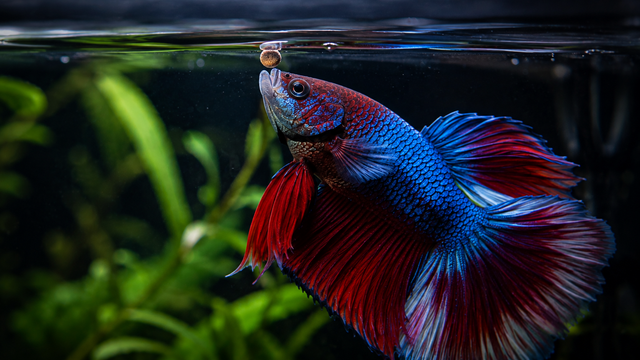
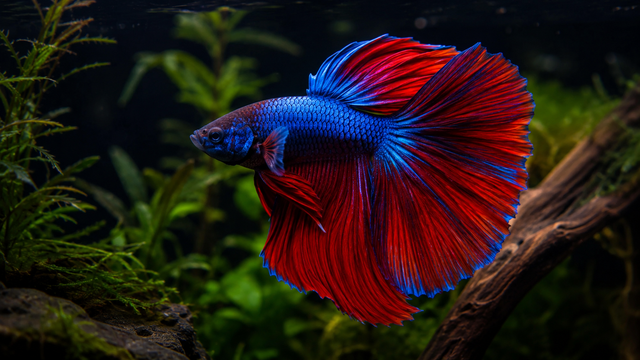
If you've ever walked past a pet store and locked eyes with a Betta fish flaring its fins like it owns the place, you know exactly why these guys are so popular. They're bold, colorful, and honestly have more personality than most fish twice their size.
But here's the thing: Bettas have gotten a bad reputation as "easy" starter pets that can live in a tiny bowl on your desk. That myth has caused a lot of unnecessary suffering, and it's time to set the record straight.
In this guide, we'll walk through everything you need to give your Betta a genuinely happy, healthy life — housing, water, food, tank mates, health, and lifespan included.
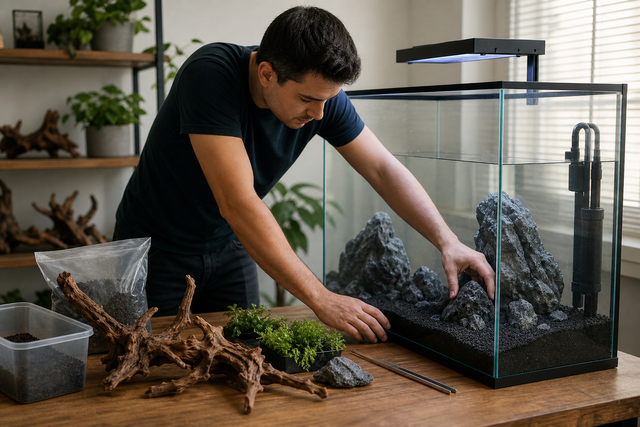
Housing Requirements: Ditch the Bowl
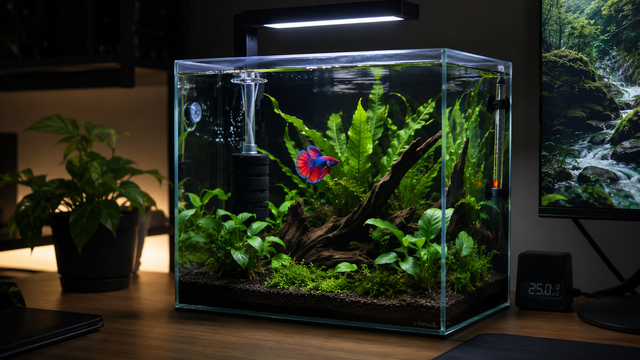
Let's address the elephant in the room first. That tiny bowl your local pet store sold you? It's not doing your Betta any favors.
Bettas are tropical fish, and small bowls can't hold stable temperatures or clean water for long. Ammonia builds up fast in small volumes, and that's genuinely dangerous for your fish.
Here's what your Betta actually needs:
- A minimum 5-gallon tank — bigger is always better, and it gives you way more room for error.
- A gentle filter — Bettas have delicate fins, so look for filters with adjustable flow or add a sponge pre-filter.
- A reliable heater — these fish come from warm waters in Southeast Asia, so they need consistent warmth.
Ideal Water Parameters
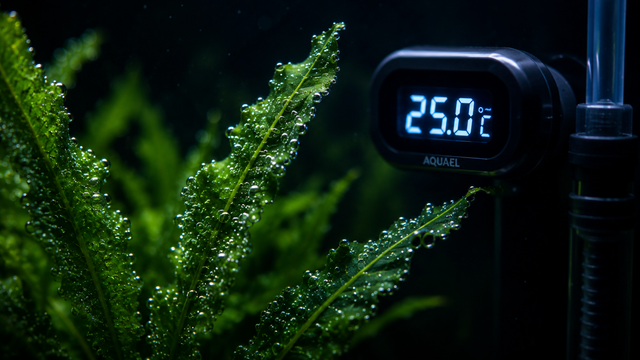
Water quality is honestly where most beginner mistakes happen. The good news? It's not complicated once you understand the basics.
Temperature: Aim for 78-80°F. Anything colder and your Betta's metabolism slows down, leading to lethargy.
pH Level: Bettas do best in slightly acidic to neutral water, somewhere around 6.5 to 7.5.
Water Changes: This is non-negotiable. Plan on a 25% water change weekly for a 5-gallon tank and always use a water conditioner.
Feeding Best Practices
Bettas are carnivores in the wild, snacking on insects and larvae. So their diet at home should reflect that.
- High-quality Betta pellets as a staple (look for high protein).
- Bloodworms (freeze-dried or frozen) as an occasional treat.
How much: Feed just 2-4 pellets, once or twice a day. Their stomachs are genuinely about the size of their eyeball, so it doesn't take much. Overfeeding leads to bloating, swim bladder issues, and poor water quality.
Provide the best nutrition with top-rated Betta Pellets!
🛒 Check Price on AmazonTank Mates: Proceed with Caution
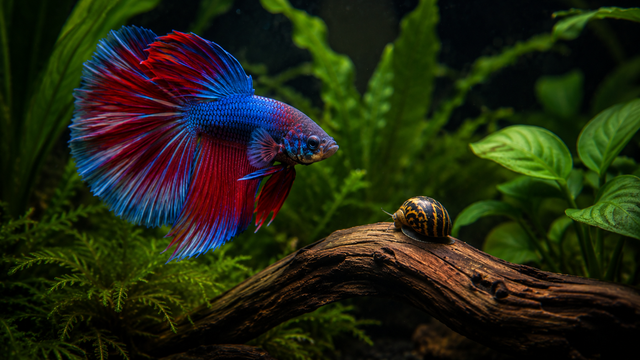
Here's the part every new Betta owner needs to hear clearly: male Bettas must be kept alone. No exceptions.
Male Bettas are territorial and aggressive toward other male Bettas, and often toward fish that resemble them. That said, if you've got a larger tank (10 gallons or more), some peaceful tank mates can work, such as Nerite snails, Mystery snails, or Amano shrimp.
Common Health Issues
Even with great care, Bettas can run into health problems. Catching things early makes a huge difference.
- Fin Rot: Fins look ragged or discolored. Usually caused by poor water quality.
- Ich: Tiny white dots across the body. Treatable with medication, but acts fast.
- Swim Bladder Disease: Struggling to swim upright. Often linked to overfeeding.
Final Thoughts
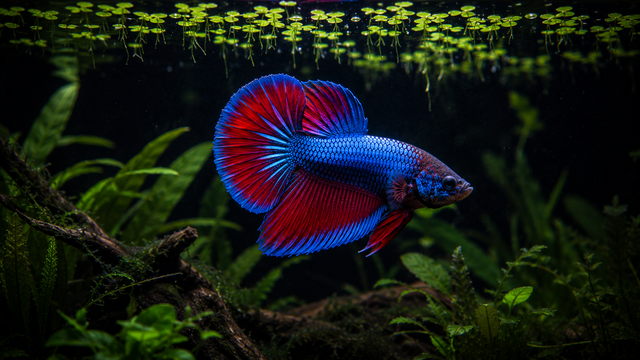
Bettas aren't the "low-maintenance bowl fish" they're often marketed as, but they're also not complicated once you understand what they actually need. A proper tank, stable warm water, a protein-rich diet, and the right tank mates will set your fish up for a genuinely great life.
Happy Fish Keeping!
Have a question about your specific tank setup? Click the "Ask Aqua AI" button on the bottom right of your screen to get instant help from our smart aquarium assistant!